Voters in Astana explain why they are voting “for” or “against”
Astana, March 15, Free Eurasia. Kazakhstan on Sunday launched a nationwide referendum on the adoption of a new Constitution. Citizens are asked to answer the following question: “Do you accept the new Constitution of the Republic of Kazakhstan, the draft of which was published in the mass media on February 12, 2026?” slot depo 5k/a>
The referendum is part of a large-scale constitutional reform initiated by President Kassym-Jomart Tokayev. The reform предусматривает changes to the structure of state institutions, including parliamentary reform, a redistribution of powers between branches of government, expanded constitutional guarantees of citizens’ rights, and the introduction of the position of vice president.
Voting is taking place at polling stations across the country from 7:00 a.m. to 8:00 p.m.
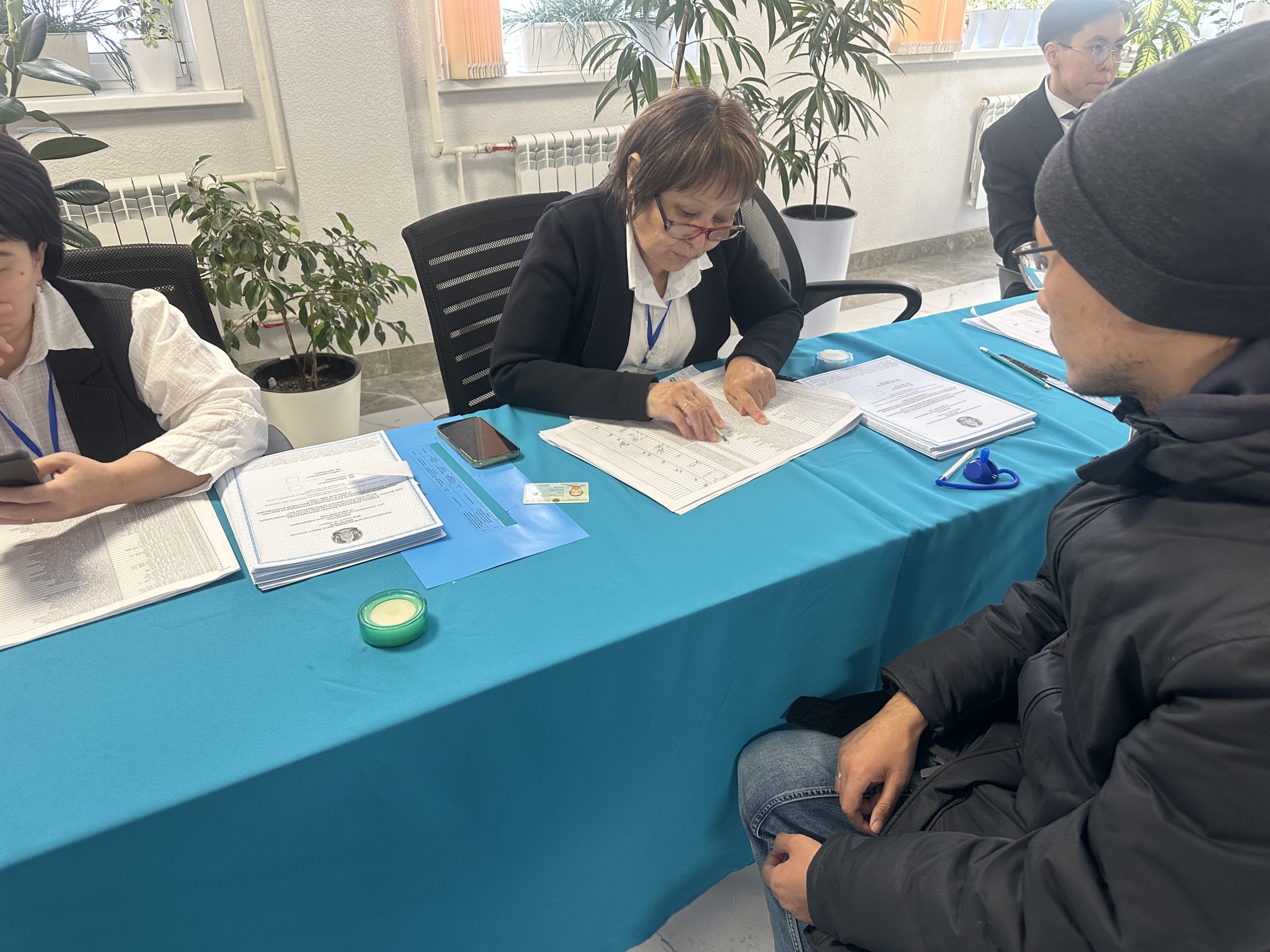
According to Abdula Nurzhan, deputy chairman of the election commission at polling station No. 146, voter turnout at the station has been relatively high.
“By 1 p.m., about 700 people had already cast their ballots,” he told FreeEurasia.com.
The FreeEurasia correspondent also spoke with several residents of Astana who voted both for and against the new constitutional draft.
Ukulyai, a 20-year-old student who came to the polling station, said she learned about the referendum through social media.
“I saw information about the referendum on social networks and read about the constitutional reform. I was interested in the changes being proposed, so I decided to come and vote,” she said.
The FreeEurasia correspondent also spoke with two women in their fifties who arrived at the polling station together.
Both said they had learned about the upcoming vote through social media about a month before the referendum.
One of them — an ethnic Russian — voted in favor of the new Constitution. She explained her decision as motivated by patriotic considerations.
“I believe the changes will ultimately lead to improvements. I trust the President of Kazakhstan and think these reforms will help the country develop,” she said.
The other woman, an ethnic Kazakh, voted against the proposal.
According to her, she does not believe the proposed changes will significantly affect her life.
“I don’t think this will change anything for ordinary people. The money spent on holding this referendum could have been used for other needs,” she said.
Another middle-aged woman told the Free Eurasia correspondent that she had also learned about the referendum from social media — specifically Instagram — about a month ago.
She said she fully supports the draft Constitution and came to vote in favor of it.
“I like the fact that the Constitution introduces the position of vice president. In today’s unstable world, it is important to have a clear system of succession of power,” she said.
The draft of Kazakhstan’s new Constitution was published on February 12, 2026, following the work of a special Constitutional Commission created at the initiative of President Tokayev. The document consists of a preamble and 95 articles and defines the foundations of the country’s constitutional system, the structure of state power, and guarantees of citizens’ rights and freedoms. The draft reaffirms Kazakhstan’s status as a democratic, secular and unitary state, while emphasizing the country’s sovereignty and territorial integrity.
Among the key proposed changes are the transition to a unicameral parliament called the Kurultai, the introduction of the position of vice president as the second-highest state office, as well as expanded parliamentary powers and stronger oversight mechanisms over the government. The draft also introduces additional guarantees of citizens’ rights, including stronger protections for personal data and the inviolability of the home, and clarifies provisions on the secular nature of the state and the regulation of religious organizations.
Islam Tekushev
Free Eurasia