87% of Kazakh voters support new draft Constitution in referendum
ASTANA, March 16, Free Eurasia. Kazakhstan’s Central Election Commission has announced preliminary results of the nationwide referendum held on March 15.
The referendum is linked to a major constitutional reform initiated by President Kassym-Jomart Tokayev. The reform предусматривает restructuring state institutions, including reform of the parliament, a transition from a bicameral to a unicameral legislature, redistribution of powers among branches of government, expansion of constitutional guarantees of citizens’ rights, and the introduction of the position of vice-president.
The next step could be the holding of new parliamentary elections after the new Constitution enters into force. However, final decisions regarding possible parliamentary elections will be made only after the official confirmation of the referendum results.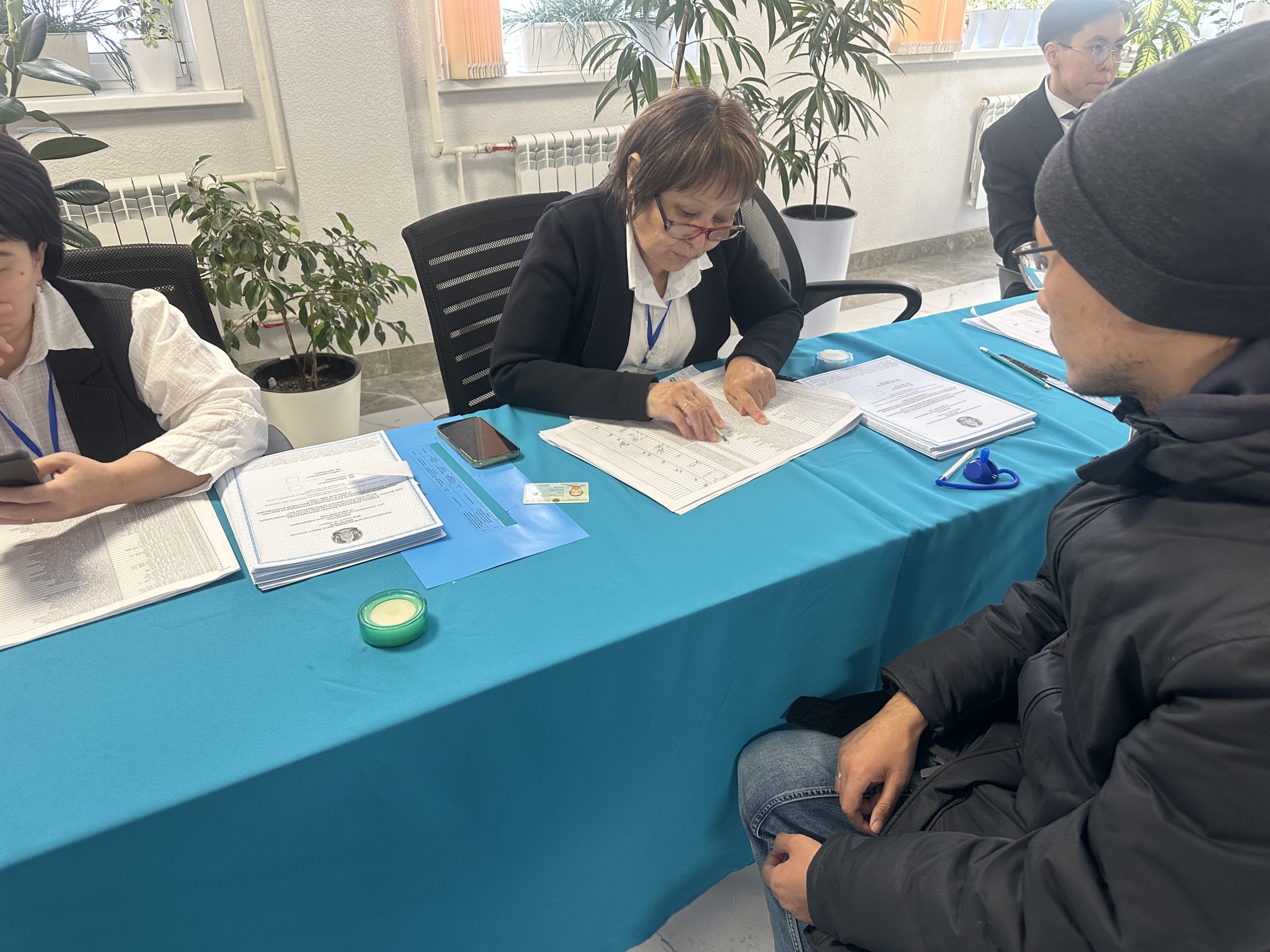
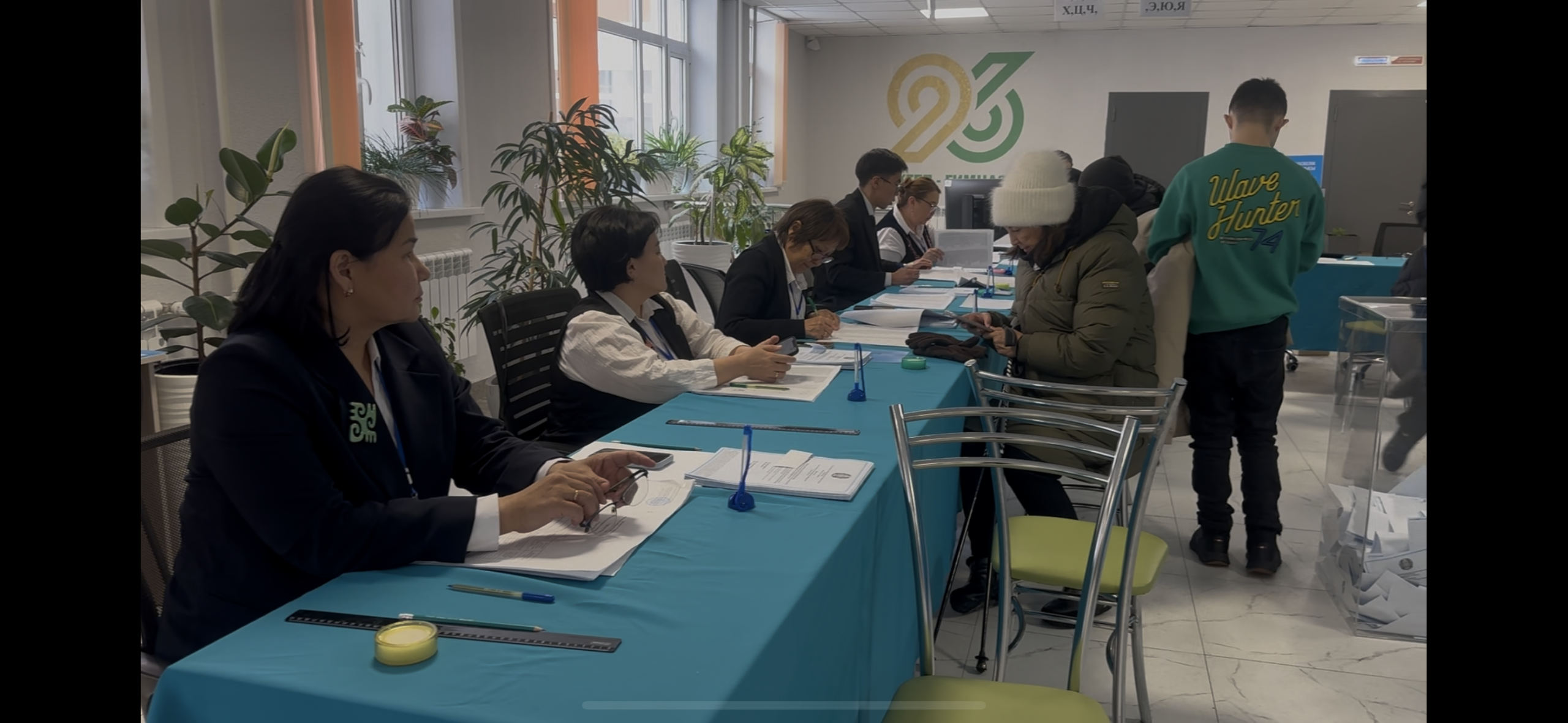
Turnout appeared to be relatively high. As an observer in Astana, I can say that many voters were well informed about the referendum in advance. Notably, many of those interviewed said they had learned about it through social media.
Regarding possible violations, observers I spoke with — including representatives from Poland and South Korea — said the vote was conducted in an organized manner and without significant irregularities.
According to the Central Election Commission, 9,127,192 citizens took part in the vote out of 12,482,613 registered voters. Voter turnout reached 73.12 percent.
A total of 7,954,667 people — or 87.15 percent of those who participated — voted in favor of the proposal submitted to the referendum. Another 898,089 voters voted against it. A total of 146,558 ballots were declared invalid, while 127,868 ballots were considered valid but were not counted in the final tally.
According to the election commission, support for the proposed constitutional reform exceeded 70 percent in all regions of the country and surpassed 90 percent in several regions.
A total of 359 international observers representing 11 international organizations and 38 foreign countries monitored the voting process. Domestic public associations, non-governmental organizations and foundations also monitored the referendum.
International media reports note that the new Constitution предусматривает changes to the structure of parliament and reforms to the system of political representation, which could lead to new parliamentary elections after it enters into force. Final decisions on possible parliamentary elections will be taken after the official confirmation of the referendum results and the implementation of the constitutional amendments.
Free Eurasia