
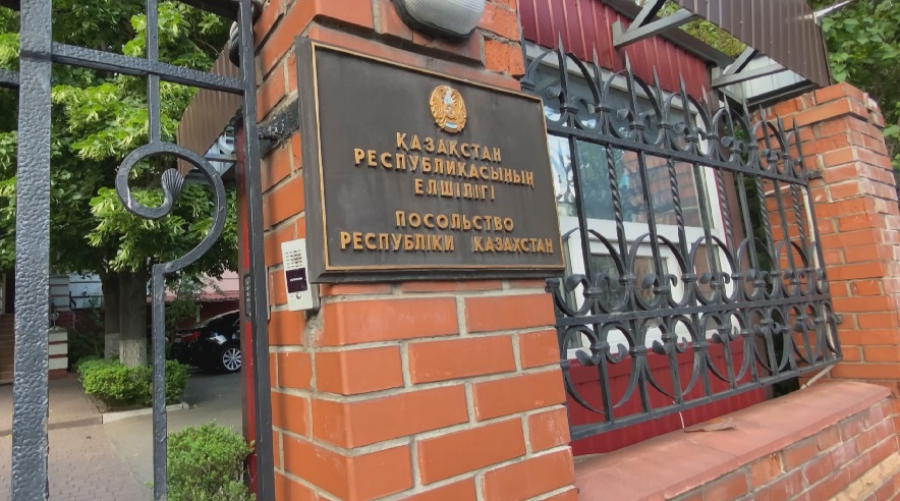
Kazakh Assistant Military Attaché Arrested in Poland on Espionage Charges
Prague. 15 August. Free Eurasia. On July 30, 2025, in the Polish city of Bydgoszcz, a Kazakh national serving as the assistant to the military attaché at the Embassy of Kazakhstan in Ukraine was detained. According to Current Time TV, Poland’s ABW security service stated that the detainee is a career military intelligence officer operating under diplomatic cover.
ABW reported that the suspect had been conducting intelligence activities from March 15 to July 30, 2025 in Bydgoszcz and Warsaw, undermining the security of Poland and its allies, Current Time TV also reports.
On August 1, 2025, a Polish court ordered the suspect to be held in custody for three months, Tengrinews reports, citing Polish sources.
Polish Prime Minister Donald Tusk stated:
“Sooner or later we will get to everyone who threatens the security of Poland. And most likely — sooner rather than later,” — quoted by The Times of Central Asia.
Kazakhstan’s Confirmation
On August 11, 2025, Kazakhstan’s Ministry of Defense (Center for International Relations) officially confirmed the detention of a staff member from the office of the military attaché at the Embassy of Kazakhstan in Ukraine by the Polish authorities. As reported by TASS, the ministry specified that “coordination with the foreign side is underway, and measures are being taken to protect the rights and legitimate interests” of the Kazakh citizen.
Who Was Detained
As reported by Kazakh media outlets KazTAG, Orda, and Elmedia, the detainee is the assistant to the military attaché at Kazakhstan’s Embassy in Ukraine.
According to Orda, his name is Anuar Bigembai, aged 30–35, father of two children, one of whom was born in Kyiv. He graduated from a Russian military educational institution and has been serving in his current position for about a year and a half.
Orda also notes that Anuar is the nephew of the current military attaché of Kazakhstan in Ukraine, Bakytzhan Begimbayevich Kisentaev.
Additional Details and Context
As Elmedia points out, Anuar’s diplomatic immunity applied only on the territory of Ukraine; therefore, his arrest in Poland was legal and did not violate international norms.
According to Orda, the Ukrainian side likely allowed Polish authorities to carry out the arrest in order to avoid straining relations with Kazakhstan, given the delicate diplomatic context.
Kazakh political analyst Adil Seifullin, quoted by EADaily, believes this incident poses a risk of losing political balance for Kazakhstan. He urged distinguishing the functions of defense diplomacy from the espionage narrative and not allowing the situation to become part of someone else’s diplomatic agenda.

