Kazakhstan: from a personalist model to european democracy
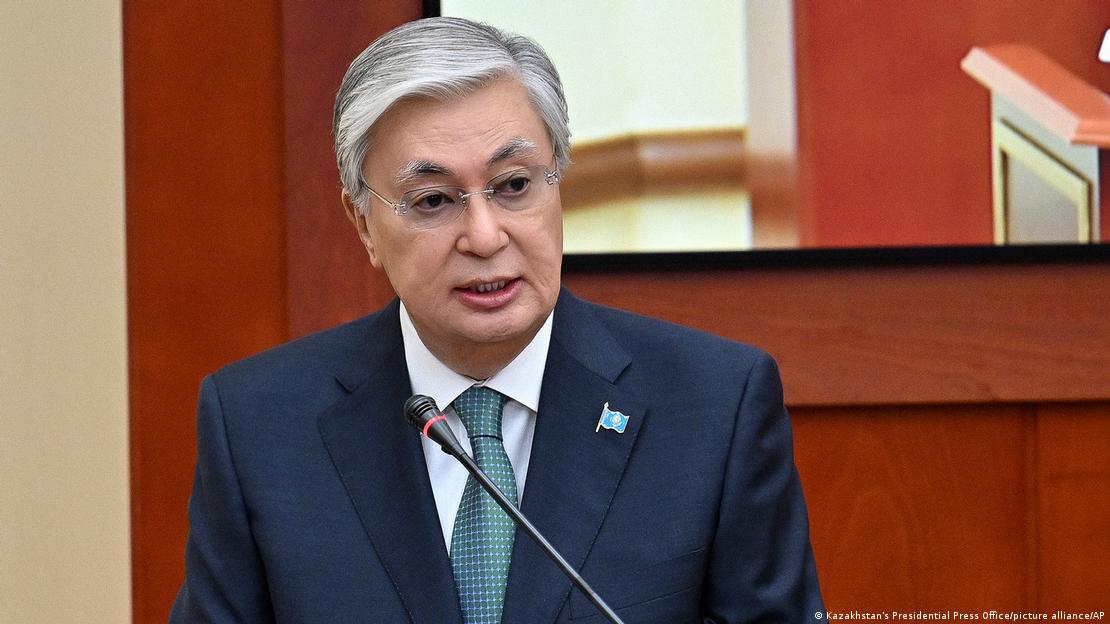
Prague, 9 February — Free Eurasia.In January, two mutually reinforcing developments took place in Kazakhstan, significant not only for the country itself but for the entire Central Asian region. On 19 January 2026, the Parliamentary Assembly of the Council of Europe adopted a written declaration entitled “Support for Democratic Reforms and Kazakhstan’s Regional Leadership”, in which it gave a positive assessment of the reform course implemented in the country in recent years. The following day, on 20 January, President of the Republic of Kazakhstan Kassym-Jomart Tokayev, speaking at a meeting of the National Kurultai in Kyzylorda, outlined a new stage in the country’s political development by presenting a package of constitutional and institutional reforms aimed at modernising the system of public governance, strengthening long-term political stability, and renewing the architecture of state administration.
Observers note that, taken together, these events point to Kazakhstan’s gradual departure from a personalist model of governance and a transition towards a more institutionalised system, closer to the European model of democratic state organisation.
A central place in the president’s address was occupied by proposals to formalise the rules for the transfer of presidential powers, introduce the post of vice president, and move towards a new constitutional model following a nationwide referendum. These initiatives indicate an effort to build a more predictable and institutionally resilient system of power.
The PACE declaration, in turn, became an international confirmation that the Kazakh authorities have succeeded in embedding the country’s internal transformation in a language and framework understandable to European political and legal institutions.
Constitutional reform has become the core element of Kazakhstan’s declared democratic transformation, launched in the aftermath of the political crisis of the early 2020s. It was presented as a mechanism aimed at weakening presidential authority, strengthening the role of parliament, and expanding citizens’ participation in political decision-making.
As the president noted at the National Kurultai, the constitutional changes have led to the establishment and operation of cassation courts, while the Human Rights Ombudsman has been granted constitutional status. According to the head of state, the reform of administrative justice and the renewal of judicial procedures have expanded opportunities for citizens and entrepreneurs to effectively protect their legitimate interests in court.
The abolition of the death penalty has become one of the most unequivocal and completed reforms. This step was positively received by European institutions, including the Council of Europe, and has become an important element in Kazakhstan’s rapprochement with European human rights standards.
Following the constitutional changes, the country carried out a large-scale revision of its legislation, including laws on political parties, elections, and local self-government. As a result, requirements for party registration were lowered, certain electoral procedures were modified, and opportunities for citizens’ participation in political life were expanded.
Cooperation with the Council of Europe in the areas of judicial reform and anti-corruption policy is also mentioned in the PACE declaration as an example of successful interaction. The initiation of these reforms was based on the principles of strengthening judicial independence, enhancing procedural transparency, and increasing the accountability of state institutions.
At the same time, despite the обновление of legislation and the creation of new institutions, public perception in Kazakhstan continues to view the judiciary as dependent on the executive branch, and anti-corruption mechanisms as selectively applied. Nevertheless, experts note that anti-corruption efforts are already affecting lower and mid-level tiers of the system, while addressing its structural foundations will require time.
Overall, the support expressed by PACE in the adopted declaration reflects a high level of trust and endorsement of Kazakhstan’s reform-oriented course on the part of European institutions.
Bakhtiyar Arifi, for Free Eurasia