Mukhtar Yerman: “359 International Observers Will Monitor the Referendum in Kazakhstan”
ASTANA, March 14, Free Eurasia. This was stated by Mukhtar Tildabekuly Yerman, Deputy Chairman of the Central Election Commission of Kazakhstan, during a briefing for journalists dedicated to the upcoming referendum on amendments to the Constitution of Kazakhstan.
According to him, 12,046,617 citizens of Kazakhstan have been included in the voter lists. In total, 10,401 polling stations will operate across the country and abroad, including 71 polling stations outside Kazakhstan.
Answering a question from a Free Eurasia correspondent about how voting for Kazakh citizens abroad has been organized, Mukhtar Tildabekuly Yerman noted that due to the armed conflict in the Middle East, Kazakhstan was forced to close 10 polling stations in the region. However, according to representatives of the Central Election Commission, this will not affect the voting process, as Kazakhstan has returned the overwhelming majority of tourists who had been in the conflict zone in the Middle East.
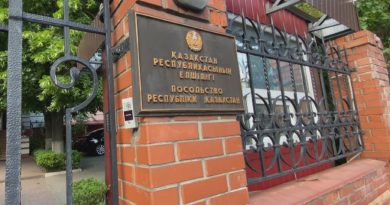
He said that voting abroad is being held in the buildings of Kazakhstan’s diplomatic missions, where, according to preliminary estimates, more than 14,000 voters may take part in the referendum.
Representatives of the Central Election Commission noted that the voting itself will take place on March 15 from 7:00 a.m. to 8:00 p.m. Regional election commissions must determine preliminary results at the level of administrative units on March 16–17, after which the protocols will be submitted to the Central Election Commission. The CEC must announce the final results of the referendum no later than March 21.
Yerman also noted that special attention has been given to ensuring accessibility of voting for persons with disabilities.
According to the Central Election Commission, as of January 1, 2026, 91,609 citizens with disabilities require special conditions for voting.
In this work, he said, non-governmental organizations are actively involved. They help monitor polling stations, train members of election commissions, and participate in testing new technologies designed for persons with disabilities.
For example, on February 19, during a meeting of the working group on ensuring the electoral rights of persons with disabilities, a special technology allowing independent ballot marking using Braille was presented.
In addition, special materials have been prepared for visually impaired persons: the text of the Constitution has been adapted and is available in Braille as well as in two languages.
The Deputy Chairman of the Central Election Commission also addressed the accreditation of international observers. According to him, the accreditation process was completed on March 9, 2026 at 6:00 p.m.
As a result, 359 international observers were accredited, representing 11 international organizations and 38 foreign states.
National public associations, non-profit organizations and foundations have also received accreditation. In Kazakhstan, observer accreditation is valid for one year, whereas in many countries it is granted only for the duration of a single election campaign.
Responding to a question from a foreign journalist about whether the process of constitutional reform had been too fast, Yerman said that the discussion of the changes had lasted long enough.
According to him, public discussion of constitutional changes in Kazakhstan had continued for at least six months, including numerous meetings, consultations and discussions involving experts, representatives of civil society and citizens.
Representatives of the Central Election Commission also reported that seven organizations have notified the CEC of their intention to conduct exit polls, while three of them will conduct voter surveys on voting day.
According to the legislation of Kazakhstan, exit polls are conducted outside polling stations and their results cannot be published until the end of voting on March 15.