Public activists and freedom of speech in the North Caucasus
Prague. 13 November, Caucasus Times. The last several years of digital and online social activity in the North Caucasus gave rise to two most prominent communities – Islamic and nationalistic (invoking national, ethnic and cultural sentiment). Both communities are represented by hundreds of online forums and social media groups ranging from ultra-radical and extremist to moderate, broad-minded and liberal voices which are often submerged by more violent, less tolerant and more divisive missives. Social networks became the platform for mobilization of both religious and nationalistic sentiments with both models imposing distorted, fabricated and biased perceptions, stereotypes and identities that lead to clashes in real life. This is evident from the North Caucasus entangled conflicts between militant Islamists, nationalists and the government. Seeing an imminent threat in increasing civic activism in general and religious and nationalistic trends in particular, the state responds with indiscriminate censorship and clampdown on online communities and media in general. Thus, the last convening of the State Duma introduced multiple amendments to the various articles of the Criminal Code aiming to suppress civic activism in Russia.
Wide scope of these amendments allows FSB and other security organizations prosecute civil activists, open criminal cases against them and imprison for long terms for publications online and in social networks.
In 2019, in the North Caucasus, the public trust in Russian President Vladimir Putin and regional authorities dropped to all-time low. Over the past two years, Putin’s trust rating decreased by 29%.
The main reason for the fall of the trust in the federal and regional authorities is the continued decline in the standard of living in the North Caucasus and repression against the civil society, which Moscow implements through regional authorities.
The vivid examples are the following: civil conflict in Ingushetia provoked by the delimitation of the borders between Chechnya and Ingushetia
https://www.svoboda.org/a/30133346.html
border skirmishes between Dagestan and Chechnya, between Ingushetia and Chechnya, territorial conflicts in Kabardino-Balkaria (ethnic clashes between titular ethnic groups).
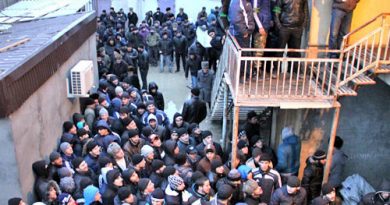
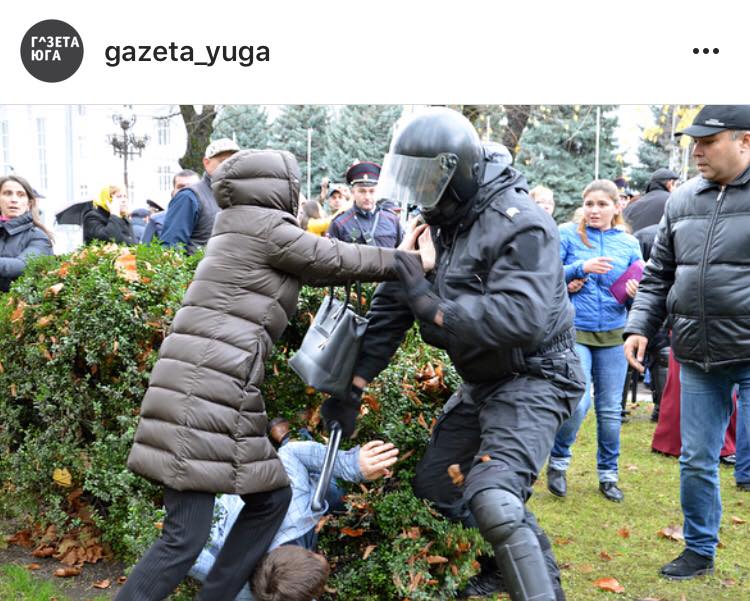
Virtually all these initiatives of the regional authorities concerning the state structure and regional management become sources of mass discontent, which results in protests and rallies. The latter are suppressed by arrests of public activists. Under these conditions, it becomes very problematic to manage the North Caucasus.
%MCEPASTEBIN%