Kurultai replaces parliament: What will Kazakhstan’s August election change?
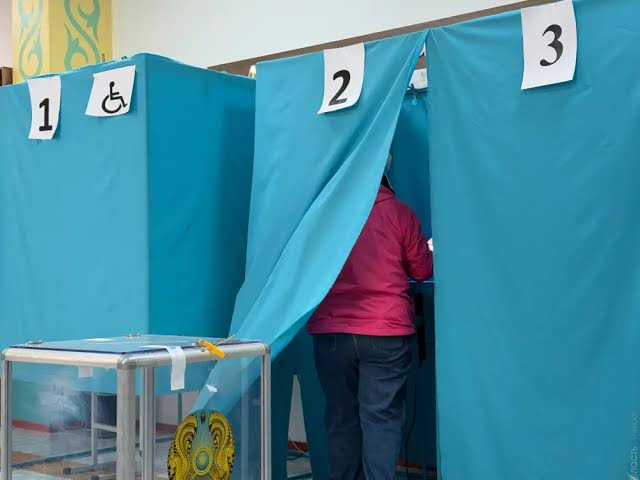
Prague, 5 August, Free Eurasia. Kazakhstan will elect members of the Kurultai on 23 August — a new unicameral parliament created following constitutional reform. The authorities describe the changes as a modernisation of the political system, while critics fear they could further strengthen presidential control.
The creation of the Kurultai followed a referendum held on 15 March 2026. According to official figures, about 73% of eligible voters took part, with nearly 90% backing the new constitution. It abolished the bicameral parliament, restored the post of vice-president and changed the procedure for appointing several senior officials. The constitution came into force on 1 July.
The Kurultai will have 145 members, elected for five-year terms exclusively through party lists. Seven parties will compete for seats. The authorities say the new system will make political parties more accountable and streamline the passage of legislation.
But the key question is whether the new parliament will have meaningful influence over the government, the budget and the legislative agenda.
Ahead of the election, Kazakhstan’s largest party, AMANAT, announced a merger with the new pro-presidential party Adilet.
AMANAT has an extensive regional network, substantial organisational resources and broad electoral experience. Adilet is closely associated with the political programme of President Kassym-Jomart Tokayev and offers the authorities a refreshed political brand.
Reuters has described the merger as an attempt to combine administrative continuity with political renewal. It could also signal a further consolidation of pro-presidential forces ahead of the formation of the first Kurultai.
The other parties contesting the election are Ak Zhol, Auyl, Respublica, the People’s Party of Kazakhstan, the Nationwide Social Democratic Party and the environmental party Baitaq.
Their programmes address business, agriculture, digitalisation, social policy and the environment. But the presence of several parties does not in itself guarantee a level playing field.
The OSCE’s election observation mission has previously said that some recommendations concerning freedom of assembly, access to the media, citizen observation and the work of election commissions have not been fully implemented.
Formally, the new parliament will have legislative and oversight powers. After the election, the government is expected to resign, and the Kurultai will take part in forming the executive.
However, foreign analysts question whether the reform will lead to a significant redistribution of power.
Chatham House has said the new system could make Kazakhstan’s model of government more institutionalised, but the president will retain considerable influence over key appointments.
The Kurultai’s real role will therefore become clear only after the election. The main test will be whether it can hold ministers to account, amend the budget and subject decisions by the executive to public scrutiny.
For most citizens, the success of the reform will be judged not by the structure of parliament but by prices, incomes, jobs and the quality of public services.
Kazakhstan remains Central Asia’s largest economy and a major exporter of oil, gas, uranium and other natural resources. But economic growth has been accompanied by high inflation amid global economic turbulence.
The new parliament will have to address tariffs, taxes, public spending, energy supplies, water provision and public utilities. The gap between the country’s largest cities and rural regions remains another major challenge.
The parties are promising to support household incomes, encourage entrepreneurship and create jobs. But the real test will be whether MPs can ensure those pledges are delivered after the election.
Kazakhstan occupies a strategic position between Russia, China and Europe and pursues a multi-vector foreign policy.
The country is important as a supplier of energy and minerals, as well as a key participant in the Trans-Caspian transport route, which links China and Europe while bypassing Russia.
For Kazakhstan’s international partners, the August election will be an indicator of the stability and predictability of the country’s political system. Investors will be watching the consistency of legislation, the protection of property rights and the transparency of regulation. Western governments will also focus on the competitiveness of the campaign and access for independent observers.
The main test will begin after the votes are counted. If the Kurultai can hold the government to account, influence the budget and provide a forum for open political debate, the reform could amount to a genuine renewal of the system.