
Russia Will Monitor U.S. Ties with Central Asia
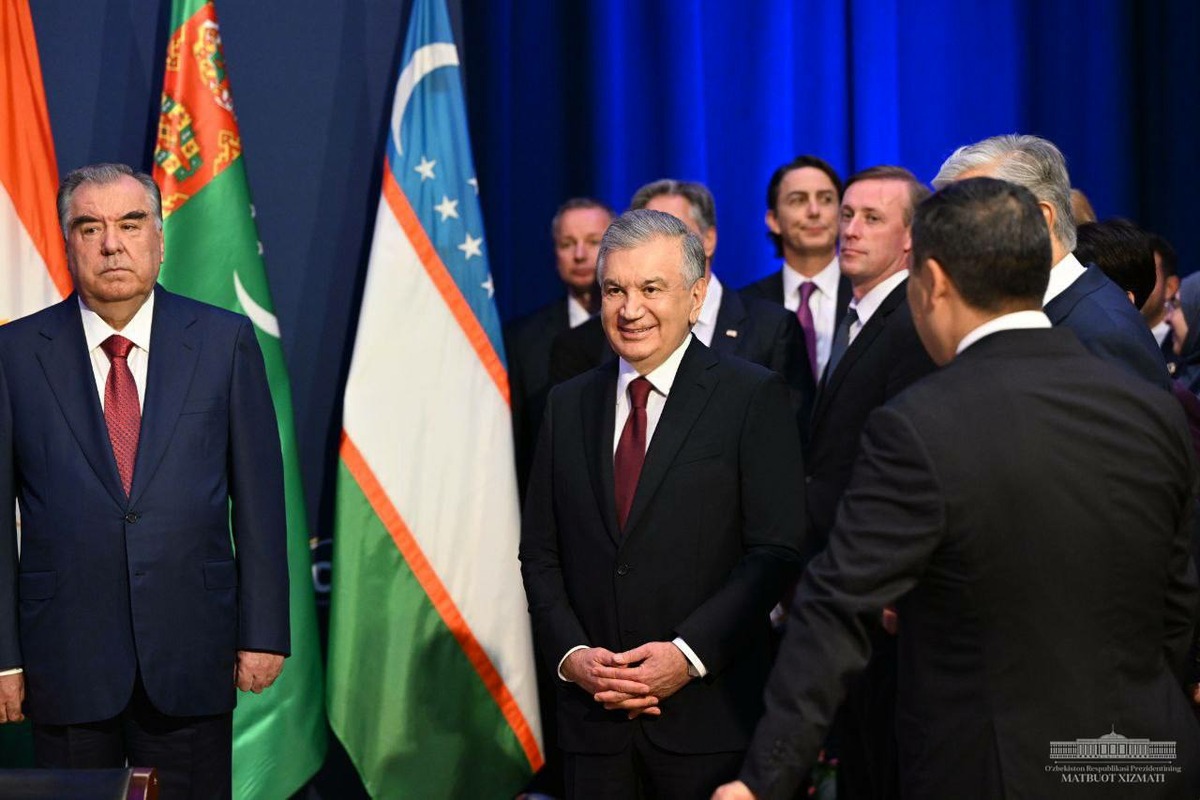
PRAGUE, October 29, Free Eurasia. On October 28, Russian Foreign Ministry spokeswoman Maria Zakharova said Moscow would monitor the development of Washington’s relations with Central Asian states, draw conclusions and respond. She made the remarks in an interview with Sputnik Kyrgyzstan while commenting on U.S. Secretary of State Marco Rubio’s visit to Uzbekistan and his participation in the “Central Asia–United States” meeting.
Zakharova linked a possible response to actions Russia might regard as directed against it, or to pressure on countries in the region to limit their cooperation with Moscow.
According to the Russian Foreign Ministry spokeswoman, U.S. interest in the region has not waned, although successive administrations have changed their approach. She also said Washington views Central Asia primarily through the lens of its resources.
Zakharova did not say that every instance of U.S. cooperation with countries in the region would prompt Russian countermeasures. She drew a distinction between the development of relations and actions Moscow might consider harmful to Russian interests or pressure on Central Asian states. “We will study, look, observe […] and, accordingly, draw conclusions and respond,” she said.
A similar warning a week earlier
On October 21, two days after Marco Rubio met with the foreign ministers of the five Central Asian countries in Samarkand, Zakharova had already commented on their cooperation with the United States. Asked by Interfax whether it caused concern in Moscow, she said the region’s independent relations with other countries were normal if they were based on equality and involved no ultimatums. At the same time, she warned against attempts to “twist the arms” of countries in the region.
The October 28 statement therefore continued the line Zakharova had set out a week earlier: Moscow publicly recognizes Central Asian countries’ right to develop their own ties, while warning that it will assess the terms and consequences of that cooperation through the prism of Russian interests. She did not specify any concrete response measures.
Rubio’s visit to Samarkand took place in the C5+1 format, bringing together the United States and the five Central Asian countries. The Associated Press reported that Washington hoped to strengthen economic and trade ties with the region. Central Asian countries themselves have repeatedly signaled to Moscow that they maintain relations with the United States as well as with Russia and China.
Ken Moriyasu, a senior fellow at the Hudson Institute, has said that Central Asian countries do not want to replace Russian dominance with Chinese dominance and are therefore expanding ties with Washington and European partners. Ariel Cohen of the Atlantic Council described the Trump administration’s policy as focused primarily on U.S. interests and competition with China.
